
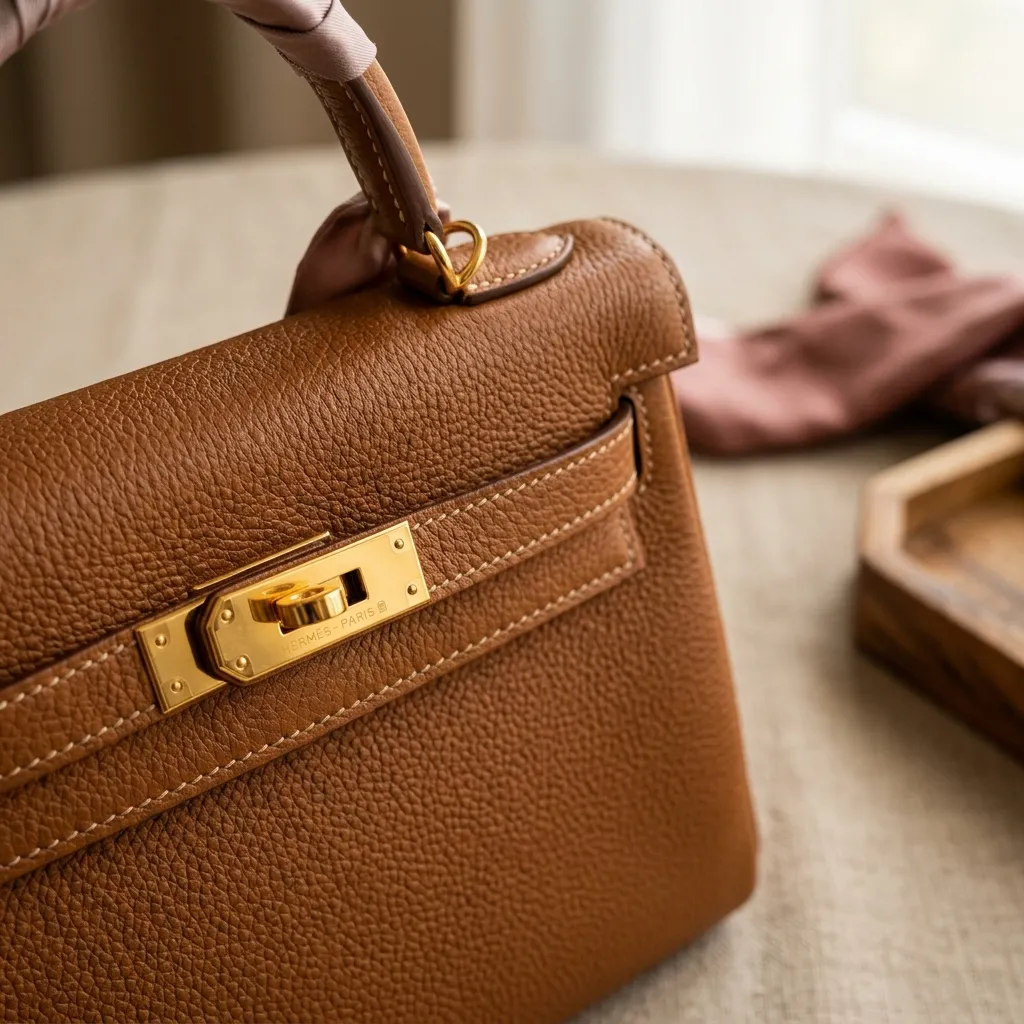
Luxury Handbag Authentication: What Buyers Should Look For
Authentication is the foundation of trust in luxury resale. Buyers do not need a dramatic promise. They need a listing process that explains what was checked and why the seller is confident in the result.
Good authentication is specific
Reliable authentication usually involves details such as materials, construction, hardware, stitching, brand markers, and overall consistency with the model being sold. Vague language is rarely enough on its own.
Photos matter as much as claims
Close-up photos help buyers evaluate whether the listing feels serious. Images of corners, handles, closures, interiors, and date or serial indicators often say more than generic marketing copy.
Documentation should support the sale
Clear resale businesses describe how they inspect items, how they present condition, and what is included with the bag. This structure lowers uncertainty and improves buyer confidence before checkout.
Warning signs to avoid
- Very thin descriptions with no inspection detail
- Only distant or heavily edited photos
- Condition notes that avoid specifics
- Luxury claims with no supporting process
What Tezoor-style authentication should communicate
The ideal result is simple: the buyer understands why the bag is authentic, what condition it is in, and what has been done to prepare it for sale. That is the standard that makes resale easier to trust.